
Braces may help children, teens, and adults improve crowding, spacing, rotated teeth, and bite concerns through planned orthodontic movement. Patients in Vernon, CT, Storrs, CT, and Tolland, CT should have tooth position, jaw growth, bite function, gum health, oral hygiene, and treatment goals reviewed before care begins. Brackets and wires are not the same for every patient, so an orthodontic exam helps decide which option may fit safely and realistically.
Orthodontic treatment can feel like a big decision because it affects daily routines, eating habits, brushing, school, work, and how a person feels about their smile. A teen in Vernon, CT may be wondering what treatment will feel like during classes, while a college student in Storrs, CT may be thinking about meals, sports, and keeping teeth clean. A parent in Tolland, CT may want to understand whether tooth movement now could help prevent harder problems later.
Braces may be recommended after an orthodontic evaluation, but the plan should be based on more than how teeth look from the front. The orthodontist needs to review bite function, spacing, crowding, jaw comfort, gum health, and how well the teeth can be cleaned. A clear plan helps patients understand what treatment may involve before it starts.
Why Fixed Orthodontic Care Still Matters
Clear aligners are popular, but fixed appliances continue to play an important role in orthodontics. Because brackets stay attached to the teeth, they can guide movement without relying on patients to remove and reinsert trays.
This can be helpful for patients who may forget removable appliances or need more controlled movement. It can also support cases where tooth rotation, bite correction, or certain spacing concerns require steady force.
For patients comparing options in Vernon, CT, braces may be part of a practical discussion about reliability, daily habits, and treatment goals. The best choice depends on the case, not on one method being better for everyone.
How Brackets and Wires Move Teeth
Fixed orthodontic care uses brackets, wires, and small adjustments to guide teeth into planned positions. The wire connects the brackets and helps apply gentle pressure over time.
The body responds by allowing bone around the teeth to remodel. This process is gradual, which is why treatment needs regular monitoring.
Dental braces are not meant to move teeth all at once. Controlled movement helps the orthodontist guide alignment while watching comfort, bite changes, and oral health.
Who May Benefit from This Option
Patients may be candidates when they have crowding, spacing, rotated teeth, overbite, underbite, crossbite, or teeth that do not meet evenly. Children, teens, and adults can all be evaluated, though the timing and plan may differ.
A growing child may need monitoring of jaw development, while an adult may need gum health and bone support reviewed more closely. Past dental work, missing teeth, and bite wear can also affect planning.
People in Storrs, CT who are unsure whether treatment is too early or too late should begin an exam. The evaluation can show whether it is time to start or whether monitoring makes more sense.
Clear Options for a Less Noticeable Look
Some patients want fixed treatment but prefer a lower-profile appearance. Clear braces may be discussed when a patient wants brackets that blend more with tooth color.
These appliances still require careful cleaning and regular visits. The brackets may be less noticeable, but they are still fixed to the teeth.
Clear braces are not the right choice for every case. The orthodontist should explain whether they fit the bite, tooth movement needs, and daily habits of the patient.
Daily Cleaning Takes More Attention
Brackets and wires create small spaces where plaque and food can be collected. Brushing may take longer because patients need to clean around each bracket and along the gumline.
Flossing also changes. Threaders, small brushes, or water flossing tools may be suggested to help clean between teeth and under wires.
For patients in Tolland, CT, this home routine can matter as much as the adjustment visits. Clean teeth and healthy gums help treatment stay safer and more predictable.
Food Choices During Treatment
Certain foods can loosen brackets or bend wires. Sticky candy, hard nuts, ice, popcorn kernels, and biting directly into hard foods may create problems.
Patients usually do not need a perfect diet, but they do need habits that protect the appliance. Cutting firm foods into smaller pieces can make eating easier.
Teeth braces can affect meals first because the mouth needs time to adjust. Softer foods may feel more comfortable after appointments when teeth are tender.
What Soreness Usually Means
Mild soreness can happen after the appliance is placed or adjusted. This often feels like pressure across several teeth rather than sharp pain in one spot.
The feeling usually relates tooth movement. Still, strong pain, swelling, broken hardware, or a wire cutting the cheek should be reported.
A patient should not assume every discomfort is normal. The orthodontic team can help decide whether the concern needs attention.
How Treatment Is Monitored
Orthodontic visits help the doctor check tooth movement, wire fit, bracket condition, hygiene, and bite changes. These visits are part of keeping treatment organized.
The plan may change if teeth move slower than expected; hygiene becomes difficult, or a bracket breaks. Orthodontic treatment often needs small adjustments along the way.
Dental braces require teamwork between the patient and the provider. Keeping appointments and following instructions can affect how smoothly care progresses.
Everyday Changes Patients Often Notice
For suitable patients, fixed orthodontic treatment may support both alignment and daily function.
It may help:
- Improve crowding that makes cleaning difficult
- Close selected spaces between teeth
- Guide rotated teeth into better position
- Improve selected bite concerns
- Support better contact between upper and lower teeth
- Make some areas easier to brush and floss after treatment
- Help plan future restorative care when teeth need better spacing
- Create a retainer plan after active movement
- Results depend on tooth movement needs, growth, gum health, hygiene, appointment consistency, and follow-up care.
Clear Choices Need Honest Questions
Patients should ask what type of appliance is recommended and why. They should also ask whether clear brackets, metal brackets, or aligners fit the case better.
A second mention of clear braces belongs here because appearance is only one part of the decision. Cleaning needs, strength, bite goals, and tooth movement control should also be reviewed.
Patients should also ask what happens if a bracket comes loose or if hygiene becomes difficult. Knowing this ahead of time can reduce stress later.
What to Expect During the Appointment
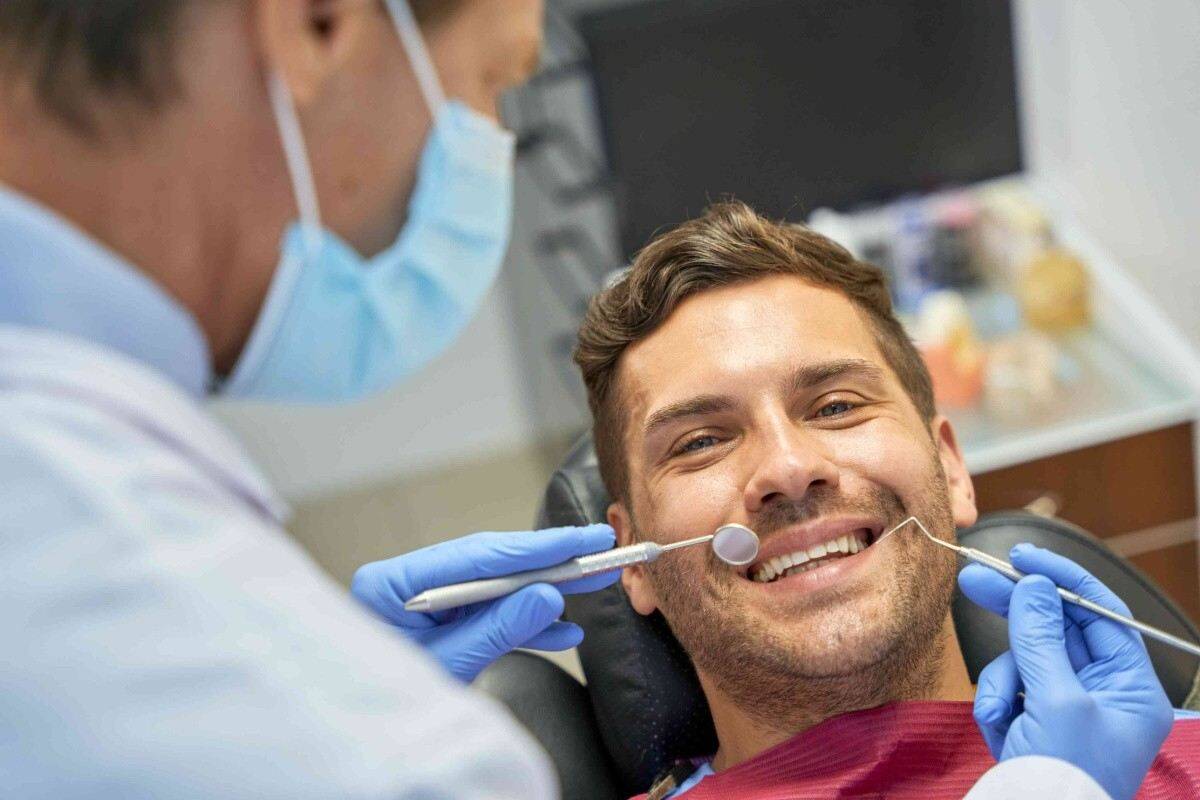
Before treatment begins, the orthodontist reviews tooth alignment, bite function, jaw comfort, gum health, growth patterns, and oral hygiene. X-rays, photos, scans, or impressions may be recommended for planning.
During placement, brackets are attached to the teeth and connected with a wire. The team explains brushing, food changes, wax use, and what symptoms should be reported.
After treatment starts, patients return for progress checks and adjustments. Once active movement is complete, retainers are usually recommended to help hold the new tooth positions.
Local Patient Review
“I expected the visit to be only about straight teeth, but it helped me understand how my bite, cleaning routine, and retainer plan all mattered.”
A Steady Plan Can Make Tooth Movement Clearer
Orthodontic treatment yields optimal results when patients have a comprehensive understanding of the appliance, the daily maintenance routines, and the rationale behind each procedure. Fixed appliances may be appropriate for certain patients requiring consistent tooth movement and precise bite correction. For individuals in the vicinity of Storrs, Connecticut Valley Orthodontics offers consultations to review alignment issues and determine the most suitable orthodontic options following a thorough evaluation.
Frequently Asked Questions
How long does fixed orthodontic treatment take?
Timing varies based on crowding, spacing, bite needs, growth, and appointment consistency. The orthodontist can estimate after an exam.
Do brackets hurt when they are placed?
Placement should not be described as painful for everyone, but soreness or pressure can happen afterward. Strong pain should be reported.
Can adults choose this option?
Yes, many adults can be evaluated. Gum health, bone support, existing dental work, and bite function all matter before treatment starts.
What foods should patients avoid?
Hard, sticky, or chewy foods may loosen brackets or bend wires. The orthodontic team can give food guidance based on the appliance.
How do patients floss with wires?
Floss threaders, small brushes, or water flossing tools may help clean under wires and between teeth. Technique matters during treatment.
Are clear brackets easier to care for?
They still need careful brushing and flossing. They may look less noticeable, but cleaning needs are like other fixed appliances.
What if a bracket comes loose?
Call the orthodontic office for guidance. Save any loose part if it comes off and avoid pulling on wires or brackets.
Will retainers be needed afterward?
Yes, in many cases. Retainers help reduce shifting after active tooth movement is complete.