
How a Dentist Storrs Search Can Help Patients Find Orthodontic Guidance
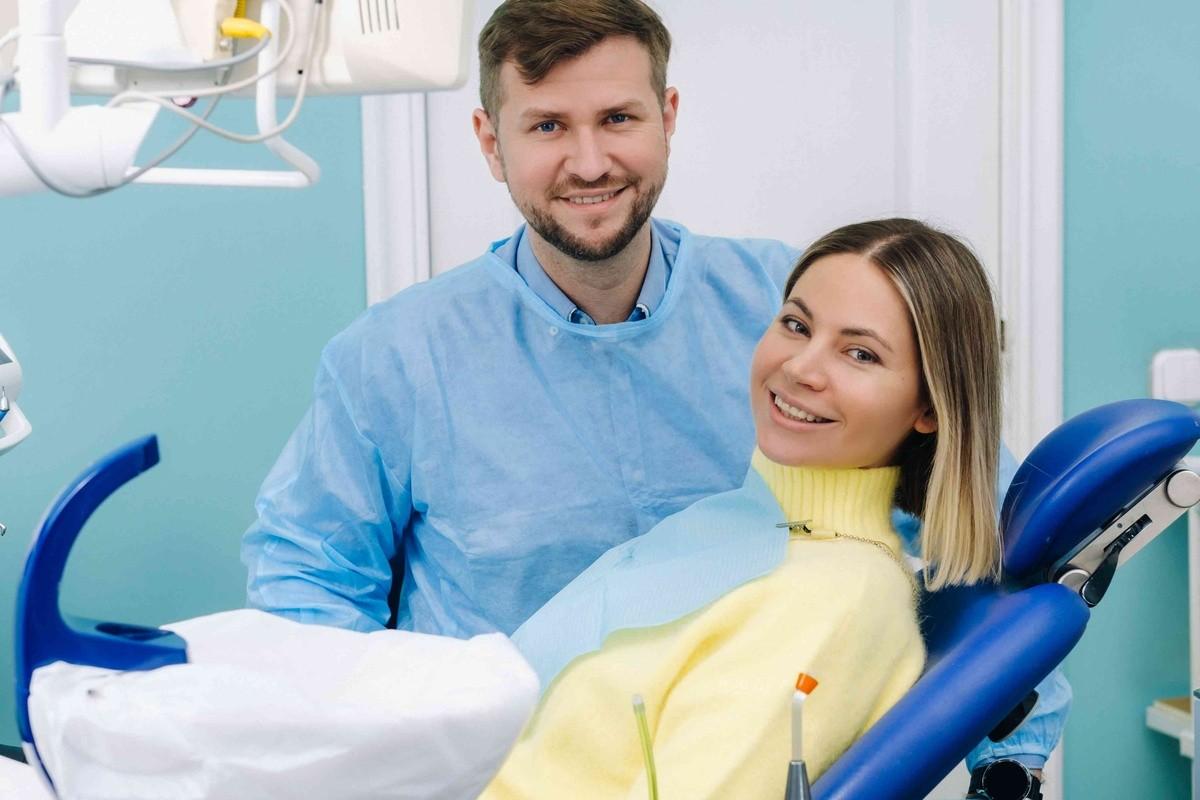
A Dentist Storrs search may help patients find orthodontic guidance when the concern involves tooth alignment, bite balance, jaw growth, crowding, spacing, or orthodontic appliances. Patients in Storrs may need an orthodontic evaluation if teeth are shifting, a child’s bite is developing unevenly, braces feel uncomfortable, or jaw growth concerns are present. Orthodontic care focuses on how teeth and jaws fit together, while general dental care focuses more broadly on oral health.
A search for dental care often begins when something about the mouth feels unclear. A child’s teeth may look crowded, a teen may need guidance about braces, or an adult may notice shifting teeth after years of stable alignment. At Connecticut Valley Orthodontics, patients near Storrs may ask whether their concern belongs to a dentist, orthodontist, or both.
For someone searching for Dentist in Storrs, the answer depends on the problem. A dentist helps with teeth, gums, cleanings, cavities, and general oral health. An orthodontic provider focuses on bite alignment, jaw relationships, tooth movement, and growth patterns. Understanding that difference can help patients choose the right evaluation instead of guessing.
Why a Dentist Search May Led to Orthodontics
Many orthodontic concerns first appear as general dental questions. A parent may notice permanent teeth coming in crooked. A student may feel that their bite no longer meets evenly. An adult may have spacing that seems to be getting worse.
These concerns may not involve decay or gum disease, but they still affect the mouth. Crowded teeth can be harder to clean. Bite imbalance can place pressure on certain teeth. Jaw growth concerns may affect how upper and lower teeth fit together.
An orthodontic evaluation helps determine whether the issue needs treatment, monitoring, or another type of dental care first.
What Orthodontic Guidance Includes
Orthodontic care looks at tooth position, bite relationship, jaw growth, spacing, crowding, and facial balance. It may involve braces, clear aligners, palatal expanders, retainers, or monitoring.
The goal is not only straighter teeth. Better alignment can help with cleaning, bite balance, and long-term stability. It can also help patients understand why a certain tooth or jaw pattern has developed.
For Storrs patients, orthodontic guidance may be helpful when the mouth looks healthy, but the bite or alignment still feels off.
Children and Early Bite Development
Children’s teeth and jaws change quickly. Baby teeth fall out, permanent teeth erupt, and the jaws grow. Some crowding or spacing can be normal, but certain patterns should be evaluated.
A child may need an orthodontic check if there is a crossbite, underbite, open bite, early or late baby tooth loss, jaw shifting, or severe crowding. Some children only need monitoring, while others may benefit from early treatment.
This is where palatal expanders Storrs may be discussed. A palatal expander may be recommended for selected growing children with a narrow upper jaw or crossbite.
Teens and Orthodontic Timing
Teenagers often have more permanent teeth in place, making orthodontic planning clearer. Braces or aligners may be discussed for crowding, spacing, rotated teeth, bite problems, or relapse after earlier treatment.
Timing depends on tooth eruption, jaw growth, oral hygiene, and treatment goals. A teen who is not brushing well may need help improving home care before starting braces or aligners.
Orthodontic care also requires cooperation. Aligners need consistent wear. Braces need careful cleaning and food choices that protect brackets and wires.
Adults and Shifting Teeth
Adults may seek orthodontic guidance when teeth shift; crowding worsens, or old bite problems become more noticeable. These changes may happen after past orthodontic treatment, missing teeth, gum changes, or long-term bite pressure.
Adult treatment planning often needs to consider gum health, restorations, implants, crowns, and missing teeth. Orthodontic care should not begin until the mouth is healthy enough for tooth movement.
Some adults may be candidates for braces or aligners. Others may need a combined plan involving dental and orthodontic care.
What “Best Dentist” Searches May Really Mean
Patients searching for the best dentist in Storrs may be looking for a provider who can guide them toward the right type of care. If the concern is alignment, bite, or jaw growth, orthodontic evaluation may be more appropriate than routine dental treatment alone.
The best care fit should include clear explanations and honest guidance. Patients should understand whether the concern is dental, orthodontic, surgical, or growth-related.
This kind of communication helps patients avoid unnecessary confusion and make decisions based on diagnosis.
When Urgent Orthodontic Help May Be Needed
Orthodontic problems can happen between visits. A wire may poke the cheek, a bracket may break, an aligner may crack, or an appliance may feel loose.
An emergency orthodontist Storrs patients contact may help with urgent appliance problems, braces discomfort, broken brackets, poking wires, or aligner issues. Severe pain, swelling, bleeding, fever, or trauma should be handled promptly.
Patients should avoid forcing appliances back into place or cutting wires without guidance. Calling the orthodontic office helps determine the safest next step.
Benefits of the Right Evaluation
The right evaluation can save time and reduce uncertainty. Patients can learn whether they need a dentist, orthodontist, emergency visit, or monitoring.
An orthodontic evaluation may help with:
- Understanding crowding or spacing
- Checking bite balance
- Reviewing jaw growth in children
- Identifying crossbites or underbites
- Planning braces, aligners, or appliances
- Knowing when monitoring is enough
- Getting guidance for urgent appliance issues
- These benefits depend on the patient’s age, oral health, symptoms, and goals.
What to Expect at an Orthodontic Evaluation
An orthodontic evaluation usually begins with questions about the concern, dental history, growth, symptoms, and past treatment. Parents may mention tooth eruption, thumb habits, mouth breathing, or jaw shifting. Adults may mention tooth movement, bite discomfort, or relapse.
The provider may examine tooth alignment, bite relationship, jaw position, spacing, and facial balance. Photos, X-rays, scans, or impressions may be recommended depending on the case.
After the exam, patients should receive a clear explanation. The recommendation may be treatment, monitoring, referral, emergency repair, or future evaluation.
Local Patient Review
“We were unsure whether the issue was dental or orthodontic. The visit helped explain the bite concern and what could be watched over time.”
Finding the Right Direction for Care
A dental search can be the first step toward understanding teeth, bite, and jaw growth more clearly. For patients in Storrs who are unsure whether their concern is dental or orthodontic, Connecticut Valley Orthodontics can help explain what type of evaluation may fit their needs.
Frequently Asked Questions
Why would a Dentist Storrs search lead to orthodontic care?
A dentist’s search may uncover concerns related to bite, spacing, crowding, or jaw growth. These concerns often need orthodontic evaluation.
What is the difference between a dentist and an orthodontist?
A dentist focuses on general oral health, teeth, and gums. An orthodontist focuses on tooth movement, bite alignment, jaw relationships, and appliances.
When should a child have an orthodontic evaluation?
Many children benefit from an evaluation around age seven, or earlier if a dentist notices bite, spacing, jaw growth, or eruption concerns.
Can adults in Storrs seek orthodontic care?
Yes, adults may seek orthodontic care for shifting teeth, crowding, spacing, bite discomfort, or relapse after past treatment.
Are palatal expanders only for children?
Palatal expanders are usually used while a child is still growing. A provider can evaluate whether expansion is suitable based on age and jaw development.
What counts as an orthodontic emergency?
A poking wire, broken bracket, loose appliance, injury, swelling, or severe discomfort may need urgent orthodontic guidance.
Do crowded teeth always need braces?
Not always. Some crowding can be monitored, while other cases may need braces, aligners, or another plan after evaluation.
What should I ask for at an orthodontic consultation?
Ask what was found, whether treatment is needed now or later, what options exist, and how growth or oral hygiene may affect the plan.