
What an Orthodontist Tolland, CT Looks for Before Treatment Begins
An orthodontist in Tolland, CT evaluates tooth position, jaw growth, bite alignment, crowding, spacing, facial balance, oral habits, and treatment timing before recommending braces, clear aligners, or early orthodontic care. Patients in Tolland may need different treatment paths depending on age, growth, bite concerns, and tooth movement needs. Some patients may be candidates for Invisalign, while younger patients with narrow upper jaw concerns may need a palatal expander before later treatment.
Orthodontic treatment is not only about making teeth look straighter. A patient may come in because front teeth overlap, but the evaluation may also show bite pressure, jaw growth concerns, spacing, or teeth that are not meeting evenly. A child may need early guidance, while an adult may need a plan that accounts for past dental work or shifting teeth.
An orthodontist in Tolland, CT looks at the whole bite before recommending treatment. This helps patients understand whether braces, clear aligners, early growth support, retainers, or monitoring may be appropriate. The right plan depends on tooth position, jaw relationship, oral health, age, habits, and the patient’s ability to follow instructions. A careful evaluation can prevent patients from choosing treatment based only on appearance.
The First Visit Is About Diagnosis
The first orthodontic visit helps identify what is happening and why. The orthodontist may examine tooth alignment, bite relationships, jaw growth, facial balance, gumline, and spacing. They may also ask about oral habits, dental history, past orthodontic care, and family concerns.
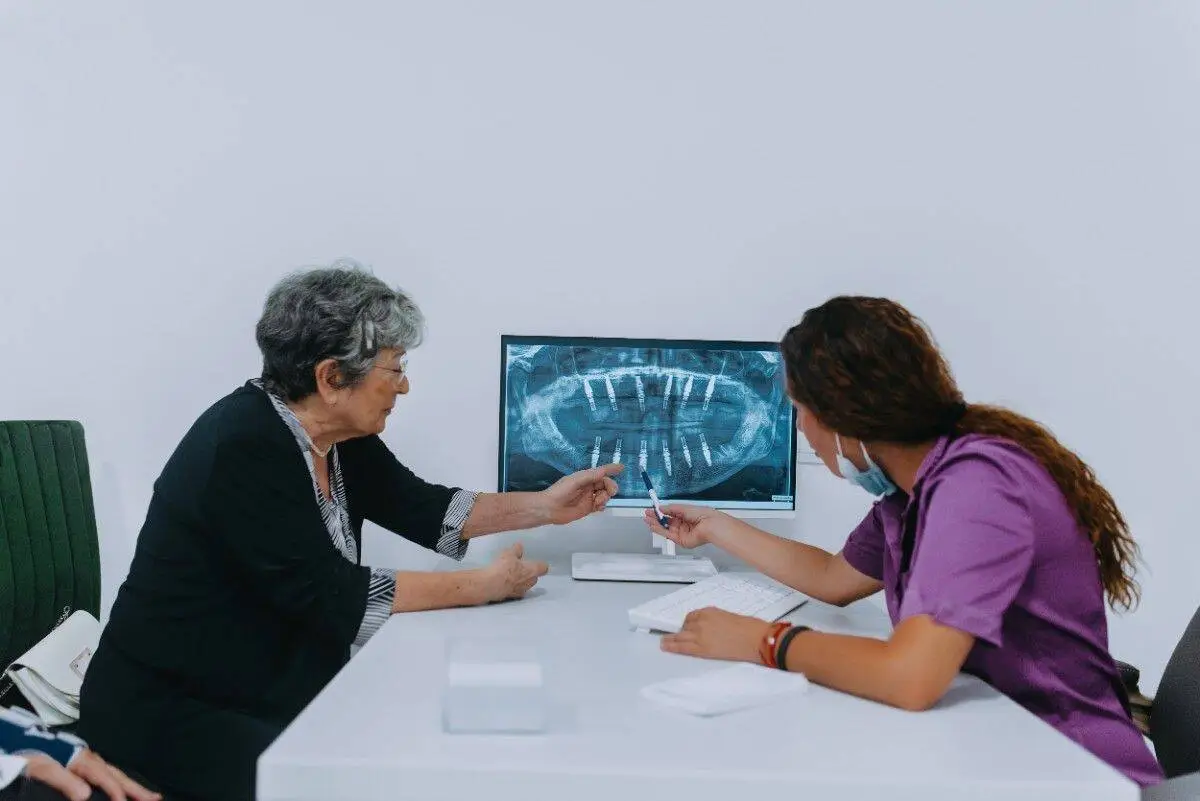
Photos, X-rays, digital scans, or impressions may be recommended. These records help the orthodontist see root positions, jaw structures, missing teeth, impacted teeth, or growth patterns that cannot be fully judged by looking in the mouth.
A diagnosis gives treatment direction. Without it, patients may assume they need one option when another may be more suitable.
Crowding and Spacing Are Only Part of the Picture
Crowding happens when there is not enough room for teeth to line up well. It can make cleaning harder and may affect smile appearance. Spacing happens when gaps form between teeth, often due to tooth size, jaw size, missing teeth, habits, or shifting.
While crowding and spacing are common reasons for orthodontic visits, they are not the only concerns. The bite may also need attention. Teeth may meet too deeply, not meet enough, or contact unevenly from side to side.
An orthodontic plan should consider both alignment and function. Straight front teeth are helpful, but the bite should also support chewing, stability, and long-term comfort.
How Invisalign Fits into Treatment Planning
Many patients ask about Invisalign Tolland, CT because they want a less noticeable option. Clear aligners can be helpful for selected crowding, spacing, relapse, and bite concerns. They are removable and can fit well into school, work, or social routines.
Still, Invisalign is not suitable for every case. Some tooth movements are more predictable with braces or another appliance. Some patients may struggle with wearing aligners for the needed number of hours each day.
An orthodontist can explain whether aligners can achieve the desired movement or whether another treatment may be more effective. The goal is not only a discreet option but a reliable result.
Why Braces May Still Be Recommended
Braces remain a common and useful orthodontic option. They are fixed to the teeth, which means the patient does not need to remember to put them back in after meals. This can be helpful for children, teens, or anyone who may not wear removable aligners consistently.
Braces may also be recommended for more complex rotations, bite changes, vertical tooth movement, or cases that need precise control. They can be used for children, teens, and adults depending on oral health and treatment goals.
Patients sometimes feel disappointed if braces are recommended instead of clear aligners. A good explanation can help them understand that the recommendation is based on movement needs, not preference alone.
Growth Timing Matters for Children
Children’s orthodontic evaluations often focus on growth and development. The orthodontist may check whether permanent teeth are erupting properly, whether the jaws are growing in balance, and whether a bite issue is developing.
Some children need treatment early, while others can be monitored until more permanent teeth arrive. Early treatment may be recommended for crossbites, severe crowding, harmful oral habits, certain jaw growth concerns, or impacted teeth.
A palatal expander to Tolland, CT may be discussed when a growing child has a narrow upper jaw or crossbite. Expanders are timing-sensitive because they work with growth. They are not the same as braces or clear aligners.
What a Palatal Expander Can Support
A palatal expander is an orthodontic appliance used to widen the upper jaw in selected growing patients. It may create more room for teeth, improve a crossbite, or support better jaw width before later orthodontic treatment.
Parents may first notice that a child’s upper teeth sit inside the lower teeth; teeth are crowded, or there is not enough space for permanent teeth. The orthodontist can determine whether expansion is needed or whether monitoring is enough.
Not every child with crowding needs an expander. The decision depends on jaw width, bite relationship, age, growth, and the position of permanent teeth.
Adults Need Orthodontic Planning Too
Adults may seek orthodontic care for shifting teeth, crowding, spacing, bite discomfort, or smile concerns. Some adults had braces years ago but stopped wearing retainers. Others never had treatment and now want to improve alignment.
Adult treatment planning may need to consider gum health, bone levels, crowns, implants, missing teeth, fillings, or tooth wear. Teeth can move at many ages, but the foundation needs to be healthy.
An adult may be a candidate for clear aligners, braces, or limited treatment depending on the goal. The orthodontist can explain what is realistic and what may require broader care.
Oral Habits Can Affect Treatment
Habits such as thumb sucking, tongue thrusting, mouth breathing, nail biting, or clenching can affect the bite and treatment stability. In children, these habits may influence jaw growth or tooth position. In adults, clenching may contribute to tooth wear or soreness.
Orthodontic treatment may not be held as well if a habit continues. The orthodontist may discuss habit correction, myofunctional guidance, retainers, or coordination with other providers when appropriate.
The goal is to understand what is moving the teeth or shaping the bite. Treatment works best when the cause is considered.
What Patients Gain from a Full Orthodontic Evaluation
A detailed evaluation helps patients understand their options and timing.
It may help:
- Identify crowding or spacing
- Explain bite problems
- Review jaw growth in children
- Compare braces and clear aligners
- Discuss early treatment needs
- Check whether expansion is appropriate
- Plan around missing teeth or dental work
- Set realistic treatment expectations
- Understand retention after treatment
- This guidance can help patients avoid choosing a treatment based only on what they have heard from friends or seen online.
What Usually Happens After the Consultation
After the exam and records, the orthodontist may explain the diagnosis and possible treatment options. Some patients may be ready to begin treatment. Others may be placed on growth monitoring or told to wait until more teeth erupt.
The orthodontist may discuss treatment type, estimated sequence, appointments, home care, diet changes, aligner wear, appliance care, and retainers. Patients should ask what the treatment is meant to be fixed and what may remain unchanged.
After active treatment, retainers are usually needed. Teeth can shift again without retention, even after well-planned orthodontic care.
Local Patient Review
“I came in thinking I only needed straighter front teeth, but the consultation showed how my bite and crowding were connected. The explanation made the options easier to understand.”
Better Treatment Starts with a Better Diagnosis
Orthodontic care is most useful when the plan is based on the full bite, not only the teeth that show in photos. Connecticut Valley Orthodontics can help patients understand alignment, growth, treatment timing, and appliance options before deciding on a care path.
Frequently Asked Questions
What does an orthodontist check first?
They usually check tooth position, bite, jaw growth, spacing, crowding, habits, dental history, and whether records such as X-rays or scans are needed.
Can adults still have orthodontic treatment?
Yes. Adults may be candidates if teeth, gums, and bone support are healthy enough for movement.
Are clear aligners right for every patient?
No. Aligners work well in some cases, but braces or other appliances may be better for complex movement or bite correction.
Why would a child need early treatment?
Early treatment may be recommended for crossbites, jaw growth concerns, severe crowding, harmful habits, or certain eruption problems.
Does every child with crowding need an expander?
No. Expansion depends on jaw width, bite relationship, age, growth, and permanent tooth position.
Will orthodontic treatment fix jaw pain?
Not always. Jaw discomfort can have several causes. The orthodontist can evaluate bite factors, but other care may also be needed.
How long does treatment take?
Timing varies based on the case, age, appliance type, growth, cooperation, and treatment goals.
Why are retainers needed afterward?
Teeth can shift after treatment. Retainers help hold the new positions and protect the result over time.